
The psychology behind near-miss effects in slots
Understanding Near Misses
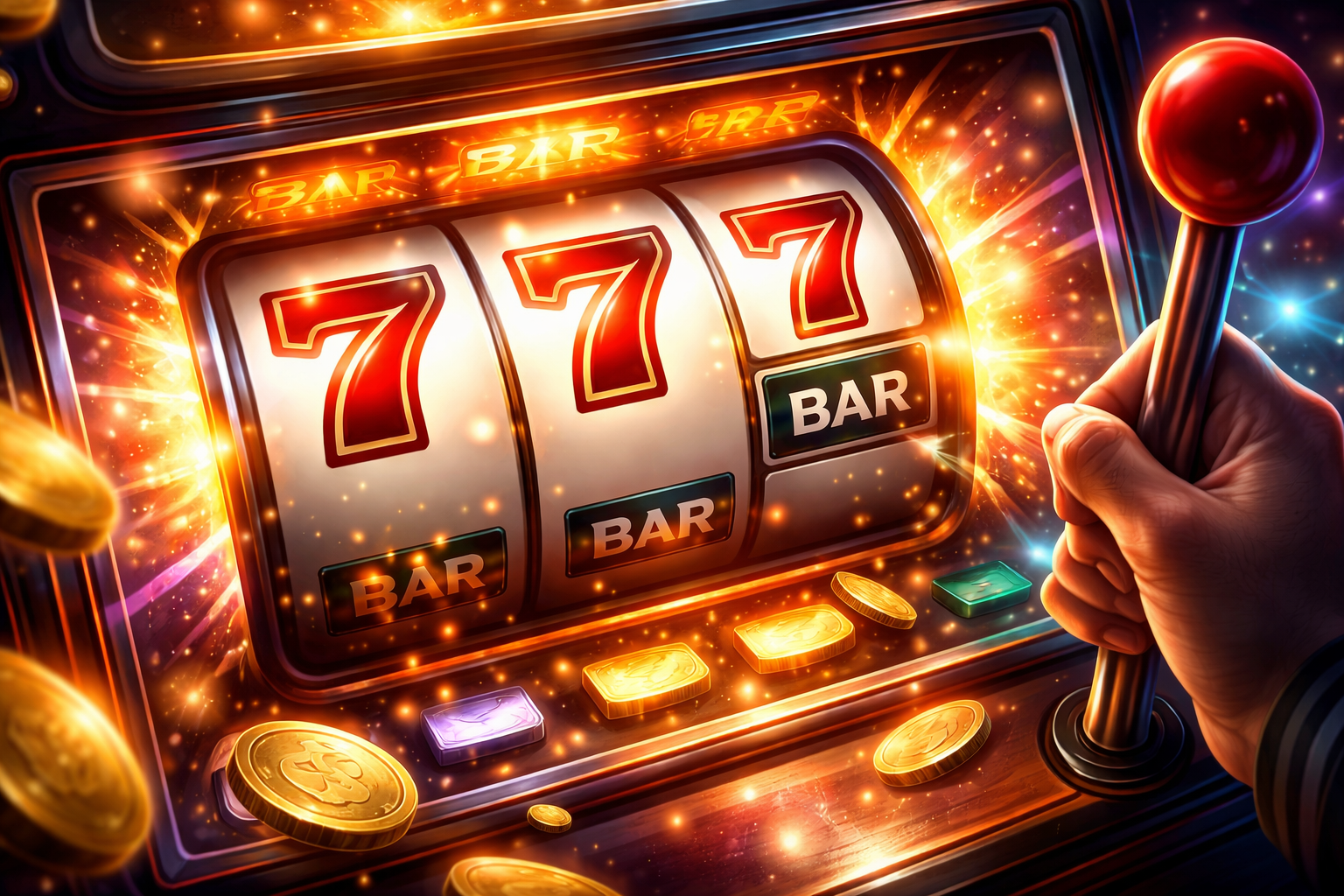
Near misses sit in a strange space between wins and losses. A spin lands two jackpot symbols on the payline and a third symbol stops one position above or below. The balance does not increase, yet the result feels special. Many players walk away from a session and recall these “so close” moments more clearly than ordinary losing spins. The memory carries strong emotion and often creates a powerful urge to keep playing.
Psychologists describe the near-miss effect as extra motivation after an almost successful outcome. In gambling, this effect appears very clearly on slot machines. The brain treats an outcome as meaningful when it looks close to a win, even when the math stays exactly the same as for any other loss. The player senses progress, not failure, and this feeling easily overrides rational understanding of odds.
Online play adds constant access to near misses. Guides and reviews on sites such as https://www.premiumtimesng.com/casino/gb/netent-casinos-not-on-gamstop/ introduce players to polished slot collections and smooth gameplay. Modern titles use crisp graphics and elaborate animations, so an almost-win fills the screen with motion and sound. The experience turns into a mini event inside the session. The spin technically counts as a loss, yet the whole presentation feels like a highlight.
Inside the Player’s Mind
A near miss produces a sharp emotional spike. Many players report a blend of excitement, frustration, and renewed hope. The heart rate climbs, breathing can speed up, and muscles tense. The body reacts as if real success just happened or at least stands very close. Ordinary losing spins rarely create this level of arousal, so near misses stand out in memory and shape the overall impression of a game.
Brain imaging studies show activation in reward areas during near misses, including the ventral striatum and midbrain dopamine pathways. These regions respond strongly during wins. In many experiments, near misses light up the same circuits, sometimes almost as strongly as real payouts. Dopamine release supports learning and motivation, so the brain quietly stores a lesson: “keep going, a win feels close now.” This lesson ignores the true randomness of the reels.
Cognitive biases strengthen the effect. The illusion of control appears when a player believes personal choices or timing influence outcomes. The gambler’s fallacy adds another twist by suggesting that recent losses increase the chance of a win soon. After a near miss, these biases blend into a compelling story. The mind whispers that persistence will soon pay off, even though each spin remains independent and equally unlikely to land the jackpot.
How Slots Create Near Misses
Traditional mechanical slots used physical reels with fixed symbols. Modern machines and online slots use virtual reels and complex mapping between visible symbols and internal numbers. Designers can assign many invisible “stops” to losing symbols and fewer stops to jackpot icons. This approach keeps the true probability of a big win low. At the same time, the visible arrangement can present frequent near misses, with jackpot symbols dangling just above or below paylines.
Audio-visual design plays a major role. Reels may slow down dramatically before stopping on a near miss. Lights may flash, and suspense sounds may swell right before the final symbol lands. This presentation creates tension and then a partial release when the result appears almost successful. A standard loss often receives a quick, muted response. A near miss, in contrast, receives a full stage performance and feels more important than the balance change justifies.
Modern video slots add layers of features that extend near-miss sequences. Examples include “just one more scatter” teasers, expanding wilds that almost cover a reel, and bonus wheels that stop one slice away from a top prize. Respins and “second chance” mechanics allow one more try after an almost-win. Each extra animation introduces another opportunity for the near-miss effect to fire. The player experiences a long chain of emotional peaks inside a single paid spin.
Playing Smart Around Near Misses
Awareness offers the first line of defense. A near miss still counts as a loss, even when the screen celebrates the outcome with dramatic flourishes. A good habit involves checking the balance after a session and comparing this number to the intensity of the memories. Many players notice a strong emotional story and a weaker financial result. This gap highlights the influence of near misses on perception.
Clear rules for play help reduce the power of “almost-wins.” A simple plan uses a fixed budget, a set session length, and a decision in advance about acceptable loss. The plan stays in place regardless of how many times a spin lands just short of a bonus. When a near miss occurs, the player can mentally label it as “paid entertainment” instead of “signal to continue.” The label keeps the experience in perspective and lowers the urge to chase.
Modern platforms provide support tools for responsible play. Deposit limits, loss limits, and session reminders set firm boundaries. Some sites offer cool-off periods or full self-exclusion for players who feel frequent near misses create strong temptation. External help also exists through counseling services and gambling support organizations. Using these resources does not remove the thrill of slots completely; instead, it frames that thrill inside safe limits and prevents near-miss psychology from taking control.